Introduction

About I-Kuan Tao

I-Kuan Tao carries on the lineage of Confucianism, Buddhism and Taoism and teaches that the three are one. “The Tao is One”: all teachings return to a single principle — hence the name I-Kuan, “threaded through by One”.

17th century → 1886

From Xiantian Tao to I-Kuan Tao

Its forerunner was the Xiantian Tao of the late Ming and early Qing dynasties. The Ninth Patriarch, Huang Dehui, organised its teachings and opened temples in Jiangxi. The Fifteenth Patriarch, Wang Jueyi, wrote works such as Tracing the Source of the One Thread, grounding the teachings in the Confucian Book of Changes; the doctrine of today’s I-Kuan Tao took shape largely in his time. In 1886 the Sixteenth Patriarch, Patriarch Liu, formally named it “I-Kuan Tao”.

1930 → 1987

Spreading, Crossing the Sea, Recognition

From 1930 the Eighteenth Patriarch, Zhang Tianran, spread the Tao from Jinan across northern China and beyond, with Tianjin and Beijing as its centres. After the war, senior members crossed the sea to Taiwan, and the Tao spread on to Southeast Asia, Japan and the Americas. I-Kuan Tao had no legal status in Taiwan under martial law; the ban was lifted in 1987, when it became a government-registered religion and the I-Kuan Tao Association of the Republic of China was founded.

Everyday life · whole families

Cultivation in Daily Life

I-Kuan Tao teaches cultivation within the world: there is no need to leave home — scholars, farmers, workers and merchants alike can cultivate the Tao, and whole families can practise together. Practice rests on the Three Treasures and on repentance, with temple etiquette as a guide for daily conduct.

The Tenets of the Tao

Revere Heaven and Earth, honour the gods and buddhas; love the country and be loyal in duty; cultivate character and uphold propriety.Be filial to parents, honour our teachers, keep faith with friends, live in harmony with neighbours; turn from wrong toward good.Make clear the Five Relationships and the Eight Virtues; illuminate the profound teachings of the sages of the five religions.Keep the ancient rites of the four virtues and the cardinal relationships; cleanse the mind, and through the temporary cultivate the true.Restore the natural state of our original nature; awaken the highest good of our innate knowledge and ability.Help others stand as we stand; help others reach as we reach.Turn the world toward peace and human hearts toward goodness, in hope of a world of Great Harmony.

The Central Philosophy of Bao Guang Shao Xing

One Aspiration

  • Help all beings awaken

Two Principles

  • Move Heaven with sincerity
  • Transform people with virtue

Three Ideals

  • Fulfilment in human affairs
  • Harmony of principle and practice
  • Perfect clarity of the true nature

Four Commitments

  • No “secrets of Heaven” prophecy
  • No spirit-writing
  • No miracle displays
  • No favour-seeking

Five Sacrifices

  • Wealth
  • Reputation
  • Family
  • Life
  • Merit

Six Characteristics

  • Respect and inclusion
  • A mission for our times
  • Practice in daily life
  • A modern, scientific outlook
  • A humanistic spirit
  • Professional management
Our Story

The History of Bao Guang Shao Xing

起

Beginnings

“Bao Guang” refers to the lineage of Elder Pan Hualing of the Bao Guang Altar in Shanghai; “Shao Xing” honours Senior Elder Lin’s hometown, Shaoxing in Zhejiang.

On 18 August 1946 Elder Pan sent Senior Elder Lin and Senior Elder Zhou from Shanghai; after fifteen days at sea they reached Keelung. Unable to speak Taiwanese, they began their mission in Luodong, entrusted the work in Yilan to Senior Elder Zhang in 1949, and moved on to Keelung. As the Tao took root there, four Transmitting Masters — Li Qingxiang, Guo Hao, Fu Furong and Huang Zhaoxian — were sent to Kaohsiung, Pingtung, Taichung and Changhua. In 1952 the elders settled in Taichung, which became the centre of the work, while Chiayi, Dounan and other places grew at the same time.

承

Continuation

When Senior Elder Lin passed away in 1967, Senior Elder Zhou carried on the work. From 1969, following the instruction of the Holy Mother (Shimu), spirit-writing was discontinued and members were guided instead through teaching the truth. The mission then reached overseas: the first overseas temple opened in Thailand in 1981, followed by public temples in Malaysia, Singapore, the United States, Canada and Japan.

展

Unity and Vision

When Senior Elder Zhou passed away in 1987, the work was entrusted to Elder Ko, then pioneering in Singapore. That same year I-Kuan Tao became legal in Taiwan, and Elder Ko set about uniting the temples: private family temples were brought together into public temples, and in 1988 the first island-wide lecturer training was held in Longtan, Taoyuan, ending the old practice of each area training its own people. In 1997 the Tao Affairs Centre in Nantun, Taichung was completed, and a structured sequence of classes for members, staff, speakers and lecturers followed.

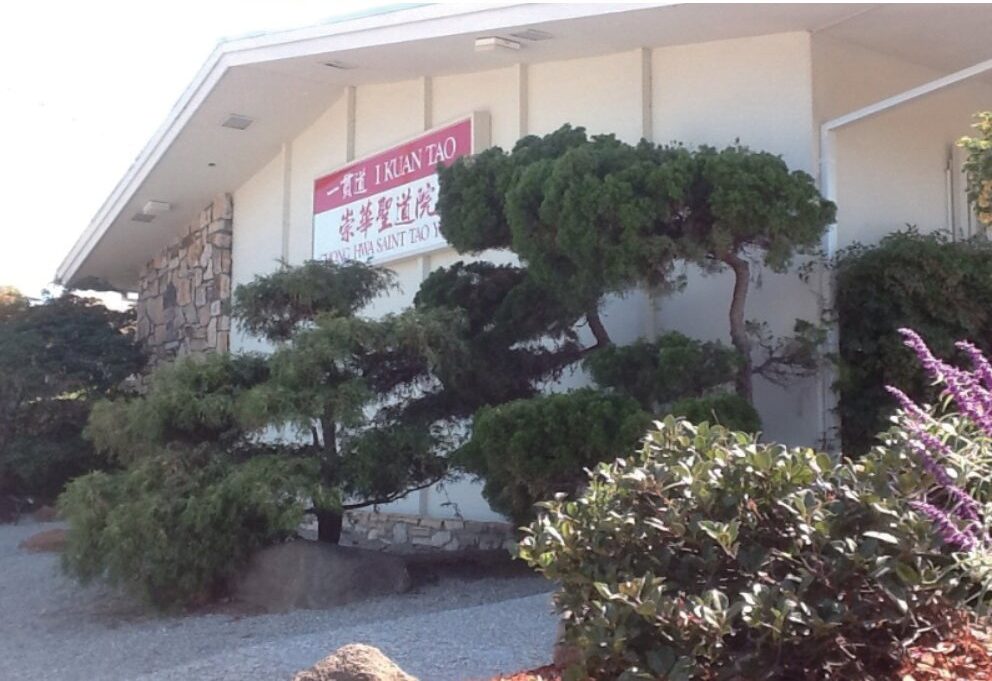
Guided by “move Heaven with sincerity, transform people with virtue”, Bao Guang Shao Xing now has temples throughout Taiwan and in Southeast Asia, North America, Japan, Spain and El Salvador. In 2001 the I-Kuan Tao Bao Guang Shao Xing Chong Hwa Saint Tao Foundation was established with the approval of the Ministry of the Interior and registered as a legal entity — a government-registered religious organisation.
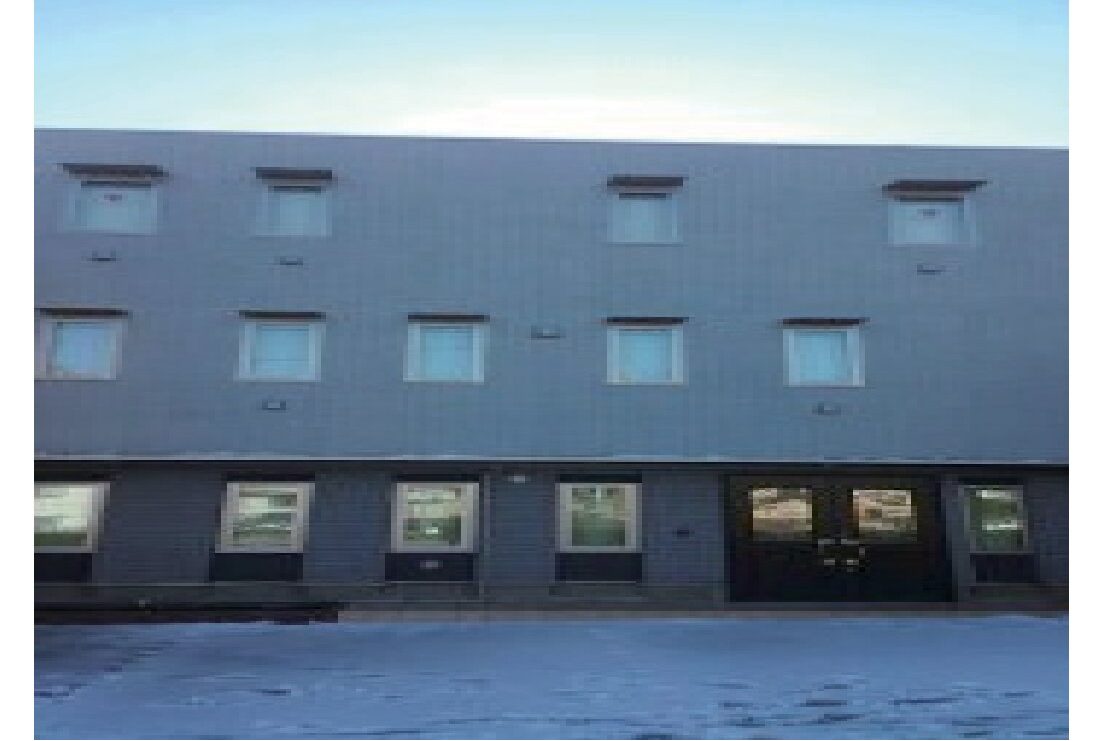
60

60th Anniversary Commemorative Book

Six decades of our temples and elders, as a page-turning e-book (in Chinese).

Open the e-book →
Our Temples

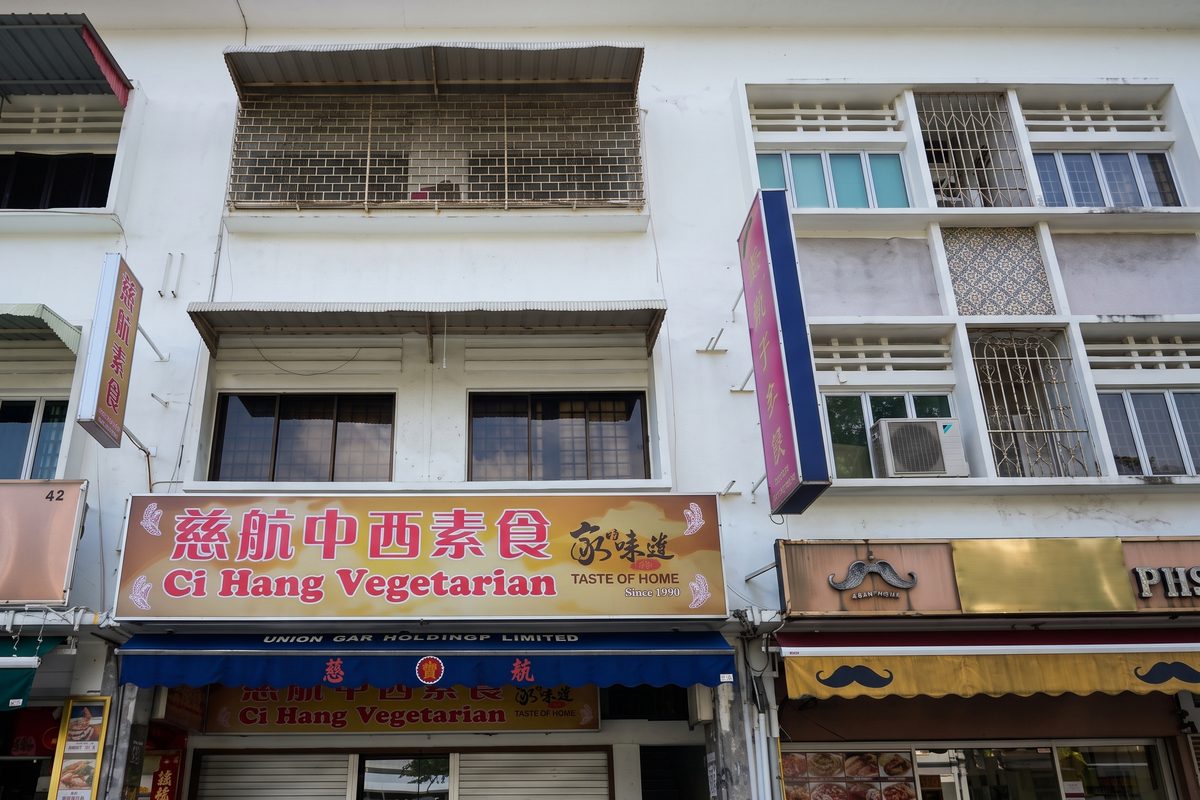
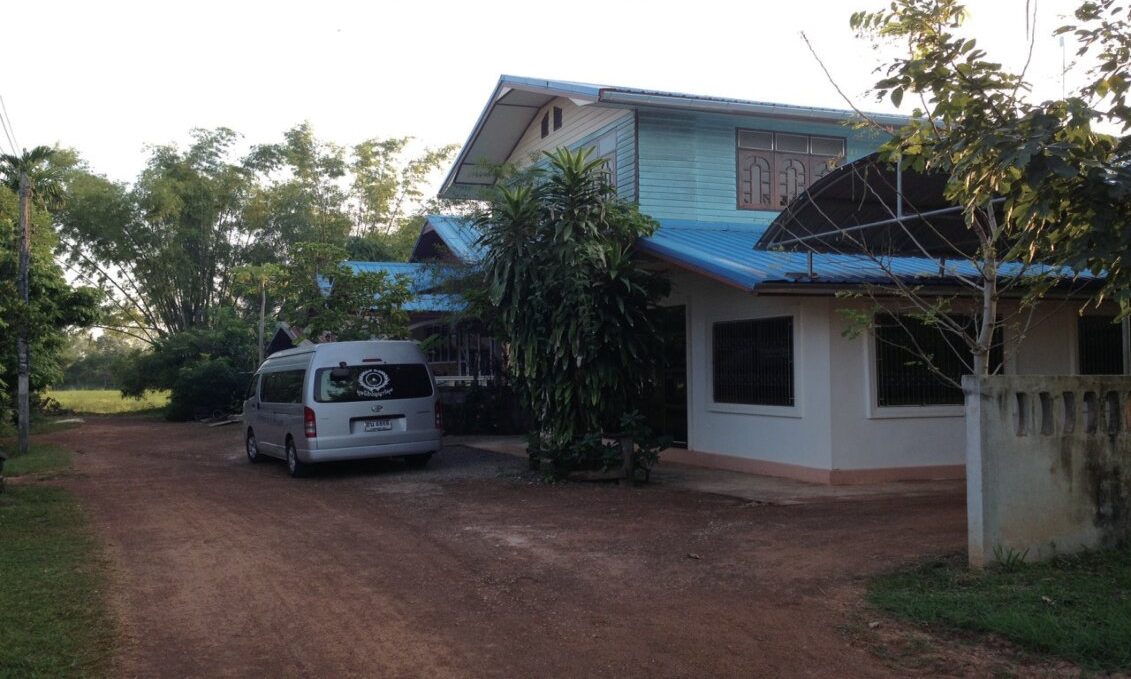
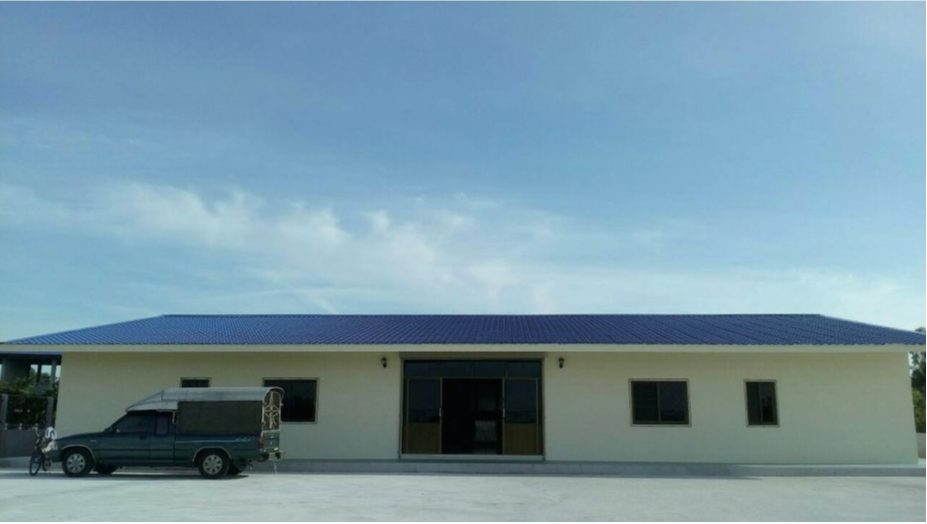
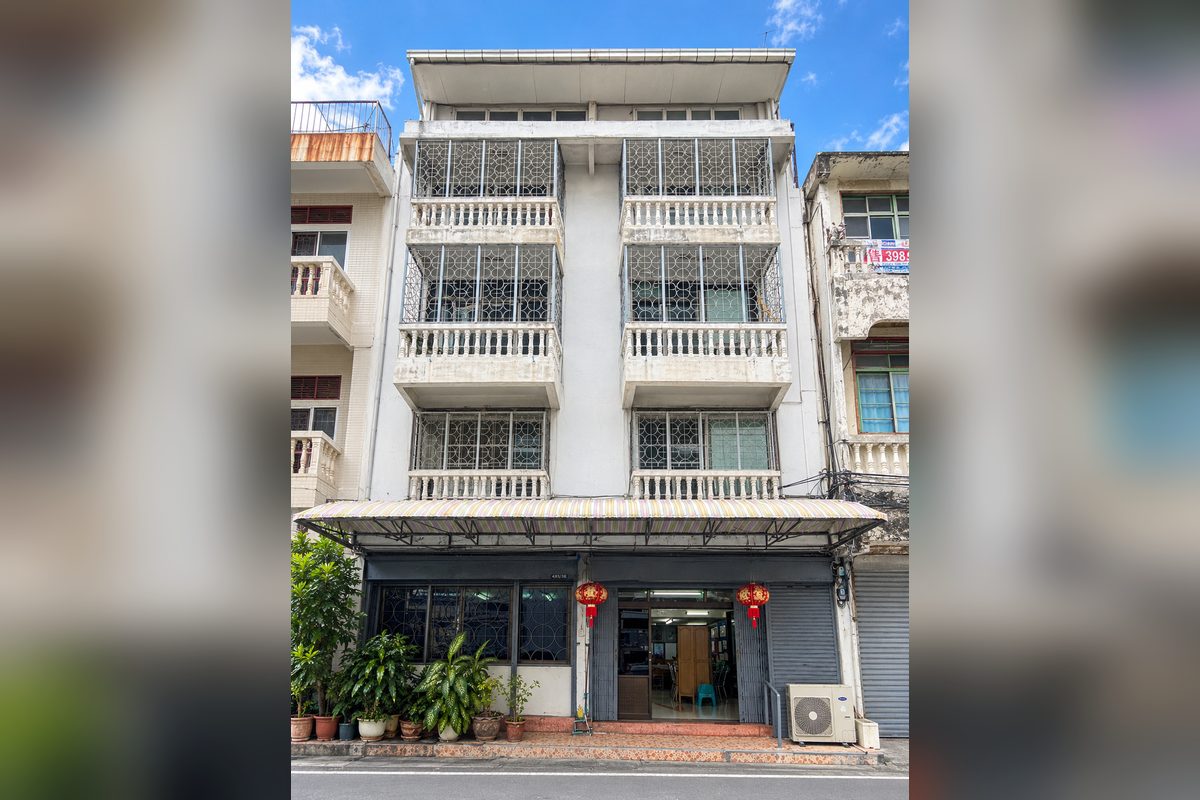
Public Temples in Taiwan and Overseas

Temple names are given in Chinese, as they are used at the temples. For photos, addresses and directions to each temple in Taiwan, see the 中文 temple map.

Loading the temple list…

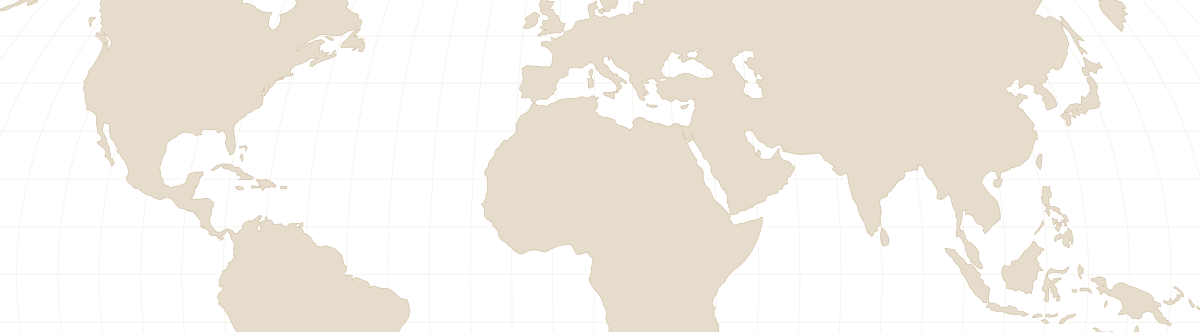
Overseas · 6 countries · 13 temples

The Tao Across Five Continents

Bao Guang Shao Xing has public temples in 6 countries overseas.

Swipe the map to see the Americas and Europe

Japan1 temple
Singapore1 temple
Thailand6 temples
Malaysia2 temples
USA2 temples
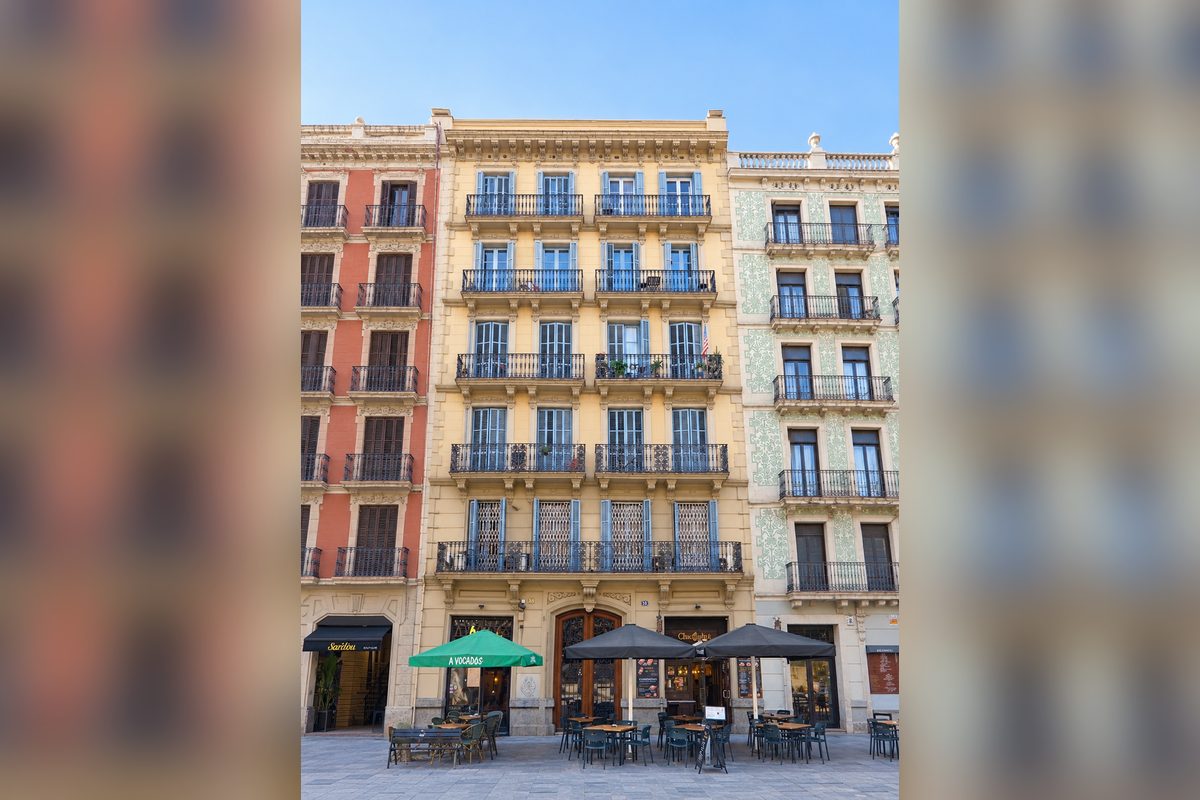
Spain1 temple